
Cristiano Ronaldo's 30-day suspension explained: what does the punishment actually mean?
A month-long ban and a €255 fine after leaving Portugal's camp sounds severe. In practice the suspension is expected to expire before the national team plays again.
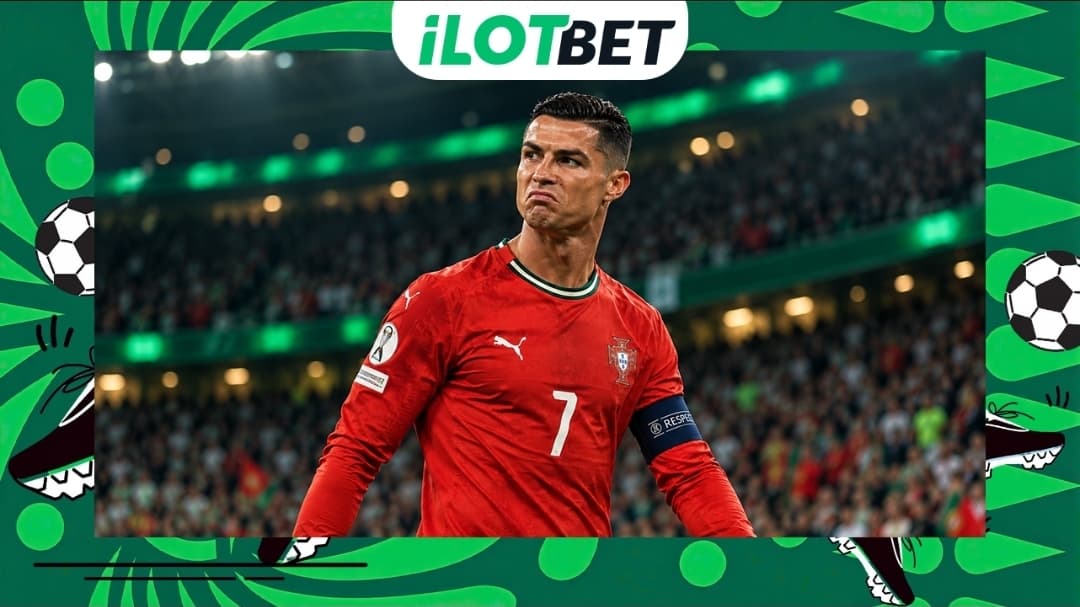
Cristiano Ronaldo has been handed a 30-day suspension and a €255 fine by the Portuguese Football Federation after leaving the national team's camp following a disagreement over his role in the side. But despite the headline-grabbing punishment, the 41-year-old forward is not expected to miss Portugal's next international fixtures.
The decision raises an obvious question, how can one of football's most recognisable players receive a month-long ban without necessarily missing a match?
The answer lies in the timing of the suspension, the rules governing international duty and the distinction between a punishment that looks severe on paper and one that has a limited practical impact.
Here is what happened, why Ronaldo was punished and what the ruling actually means for his future with Portugal.
What exactly did Ronaldo do?
The incident began after Portugal's 2-1 Nations League victory over Norway on 27 September.
Ronaldo, Portugal's captain and record goalscorer, was an unused substitute. He had warmed up during the match but was not brought on, leaving him frustrated over his expected role in the team.
The disagreement deepened ahead of Portugal's subsequent fixture against Denmark. Ronaldo believed head coach Jorge Jesus had broken his word about giving him playing time. Jesus denied making any such agreement.
On 30 September, Ronaldo left Portugal's training camp in Copenhagen before the Denmark match. Reports of the incident said he departed without giving the federation or squad advance notice, although he subsequently informed Portuguese Football Federation president Pedro Proença of his decision.
The federation opened disciplinary proceedings in October, and Ronaldo was subsequently handed a 30-day suspension and a €255 fine.
The important distinction is that Ronaldo was not punished simply for being unhappy about being dropped. The disciplinary case concerned his departure from an official national-team camp, an action the federation considered an intentional breach of its regulations.
Why was he suspended for 30 days?
The Portuguese federation's disciplinary regulations provide for a suspension of between one and six months for a player who abandons or unjustifiably fails to attend national-team training, matches or related activities.
The disciplinary council found Ronaldo guilty under Article 160(1) of the federation's regulations and imposed the minimum 30-day suspension.
In other words, the punishment was not an arbitrary decision to sideline a superstar. The federation applied an existing disciplinary rule to conduct it judged unacceptable.
There were also factors in Ronaldo's favour. He acknowledged his mistake, apologised for leaving his teammates and expressed his willingness to accept the consequences. The disciplinary assessment also recognised his previous contributions to football and his sporting achievements. His status as captain and the attention surrounding the incident, however, were among the factors considered in the case.
The decision therefore carried two messages, Ronaldo's achievements did not exempt him from the rules, but his remorse and record were relevant to the punishment.
What does a 30-day suspension actually mean?
This is where the headline can be misleading.
A 30-day suspension sounds as though Ronaldo must sit out an entire month of football. But a suspension's practical effect depends on when it begins and which activities it covers.
The ban took effect on 1 October and is due to end on 30 October 2026. By the time the final punishment was announced on 19 October, much of the suspension period had already elapsed.
No matches are expected to be lost to this suspension. Portugal are scheduled to face Denmark on 14 November and Wales on 17 November, after the reported ban's expiry. Ronaldo's availability for selection will still depend on the coach's decision.
The distinction matters because disciplinary suspensions are not always calculated as a number of matches missed. In this case, the sanction is expressed in days, and the timing means it is expected to run its course before Portugal return to action in November.
And what about the €255 fine?
The financial penalty is arguably the least consequential part of the punishment.
Ronaldo must pay €255, equivalent to approximately £215 at the exchange rate used in contemporary British reporting.
For a player of Ronaldo's extraordinary commercial stature, that amount is unlikely to have a meaningful financial effect. But the fine is only one part of the disciplinary decision. Its significance lies less in the money than in the formal finding that he breached the federation's rules.
It is therefore misleading to judge the entire case solely by the size of the fine. The suspension, the public reprimand implicit in the ruling and the effect on his relationship with the national team are all part of the picture.
Still, the modest financial penalty does little to make the punishment look especially severe to outside observers.
Has Ronaldo apologised?
Yes. Ronaldo apologised for leaving his teammates and for failing to acknowledge supporters after the Norway match. He also indicated that he would accept whatever punishment followed.
That response is significant because the incident was about more than a disagreement between a player and his coach. A captain is expected to uphold the standards he asks of the rest of the squad, particularly when he is disappointed with a selection decision.
Ronaldo's position was that promises about his role had been broken. Jesus disputed the suggestion that an agreement had been made. The disciplinary process did not settle every aspect of that disagreement; it addressed Ronaldo's departure from camp.
Portuguese FA president Proença has also indicated that the federation wants Ronaldo to return to the national team once the matter is resolved.
What happens next?
The immediate disciplinary issue is expected to be resolved by the end of October. The more interesting question is what happens when Ronaldo returns to the Portugal setup.
At 41, he remains one of the most influential figures in international football. His goalscoring record and leadership have helped define Portugal's modern era, but his status does not guarantee a starting place.
Jesus must decide how best to use him, while Ronaldo must decide how to respond when the coach's plans do not match his expectations. Both responsibilities are central to restoring trust.
The episode also serves as a reminder that international football is built on collective obligations. Players are selected to represent their country, and even the most celebrated captain is expected to remain within the team's disciplinary framework.
So, is this a serious punishment or a slap on the wrist?
It is a formal punishment, but its practical consequences appear limited.
The 30-day suspension is the minimum penalty reported under the applicable rules. Much of the period had already passed by the time the decision was announced, and the ban is expected to expire before Portugal's next scheduled internationals. The €255 fine is modest, too.
Calling it a meaningless suspension would nevertheless miss the point. The federation has formally found Ronaldo guilty of an intentional disciplinary offence, and the case has exposed a disagreement over authority, expectations and accountability within the national team.
The real test will come when Portugal reconvene. If Ronaldo returns and the relationship with Jesus is repaired, the suspension may become a brief and largely symbolic episode in a remarkable career.
If tensions persist, however, the consequences could prove more significant than the 30-day ban itself.
Ready to back Portugal in their next match? Place your bets on iLOTBET and enjoy the excitement of international football with every kick!
Follow the numbers behind the reports: today's predictions · the public record
Want to write for the desk? Send pitches and submissions to wavepredictions@gmail.com.